
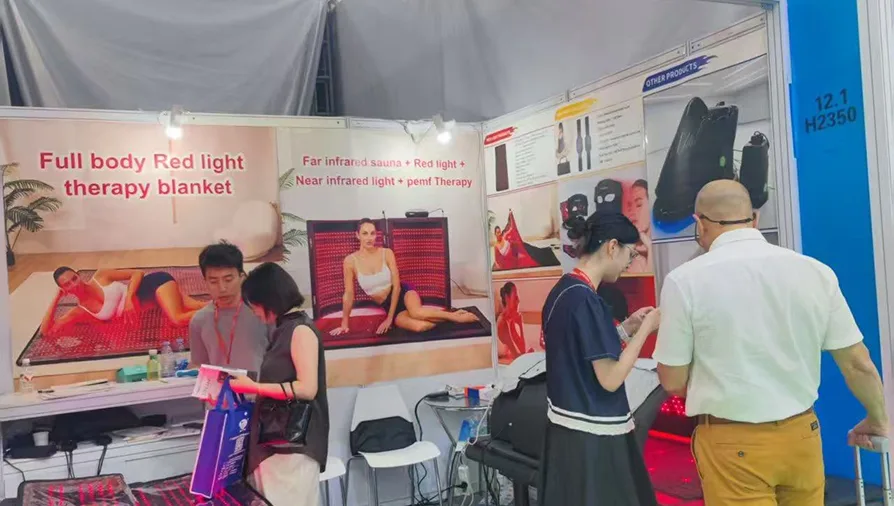
Build More Premium Wellness Products for Your Brand
Fitness & Wellness Equipment Manufacturer for Infrared Sauna, Red Light Therapy & PEMF
From product R&D and functional customization to mass production and delivery, FITKANG provides global brands with reliable,
one-stop OEM/ODM manufacturing support for light therapy and thermal wellness equipment.
one-stop OEM/ODM manufacturing support for light therapy and thermal wellness equipment.




Wellness Product Series for Different Business Models
From portable home wellness products to equipment designed for frequent commercial use, FITKANG offers flexible product combinations for wellness brands and professional facilities
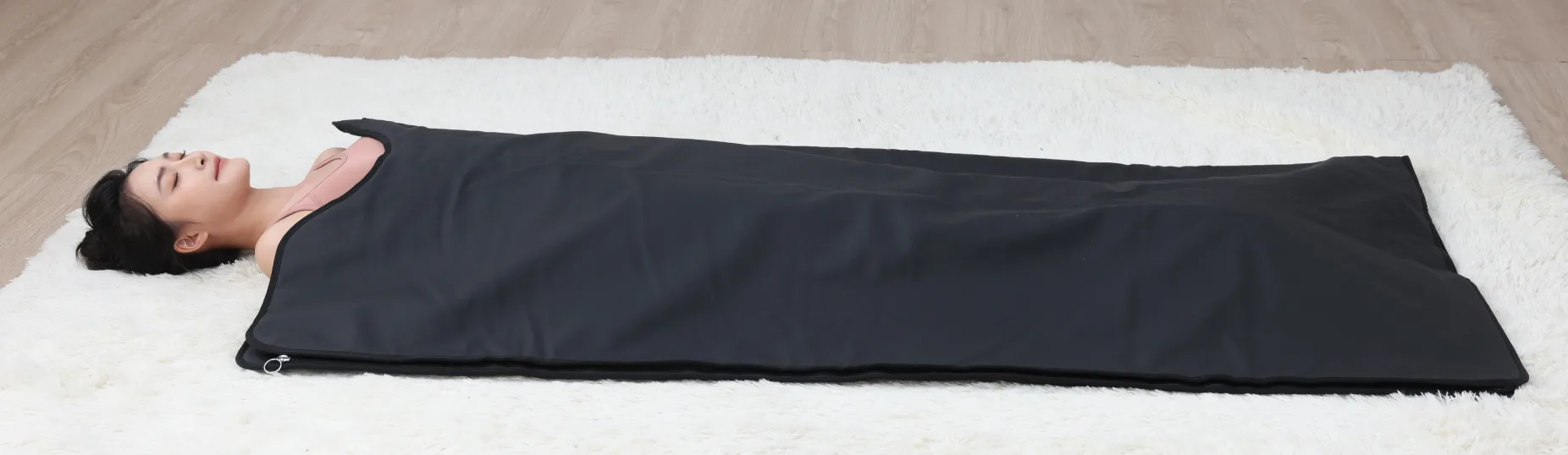
Infrared Sauna Blankets
Our infrared sauna blanket range includes zipper and Velcro designs, as well as single-zone and multi-zone heating options. As an experienced infrared sauna blanket manufacturer, FITKANG provides mature product platforms for different price levels and application scenarios.
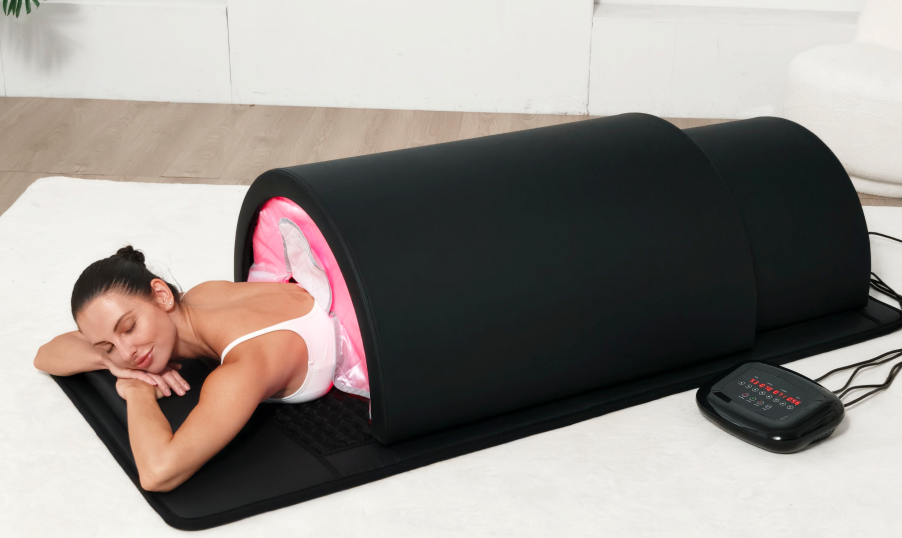
Infrared Sauna Domes
Our infrared sauna dome solutions can combine multi-zone heating, natural gemstones, red light and PEMF functions, allowing spas and commercial wellness facilities to deliver more diverse experiences with one integrated product.
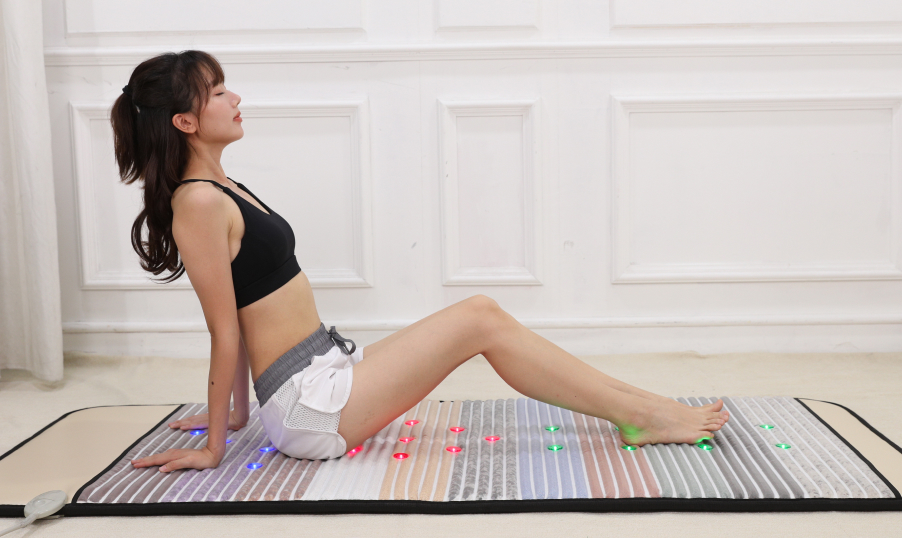
PEMF Mats
As a PEMF mat manufacturer, FITKANG develops tiered PEMF mat solutions combining PEMF,
farinfrared heat, red light, natural gemstones,
and multi-level control programs.
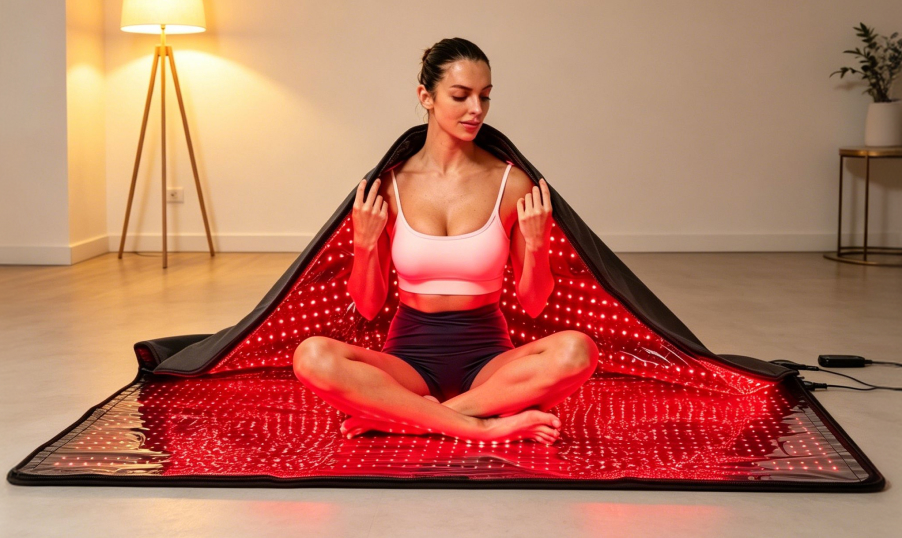
Red Light Therapy Products
As a red light therapy OEM supplier, FITKANG offers blankets, mats, belts, masks, caps, and panels with customizable wavelengths, LED count, density,
controls, and coverage.
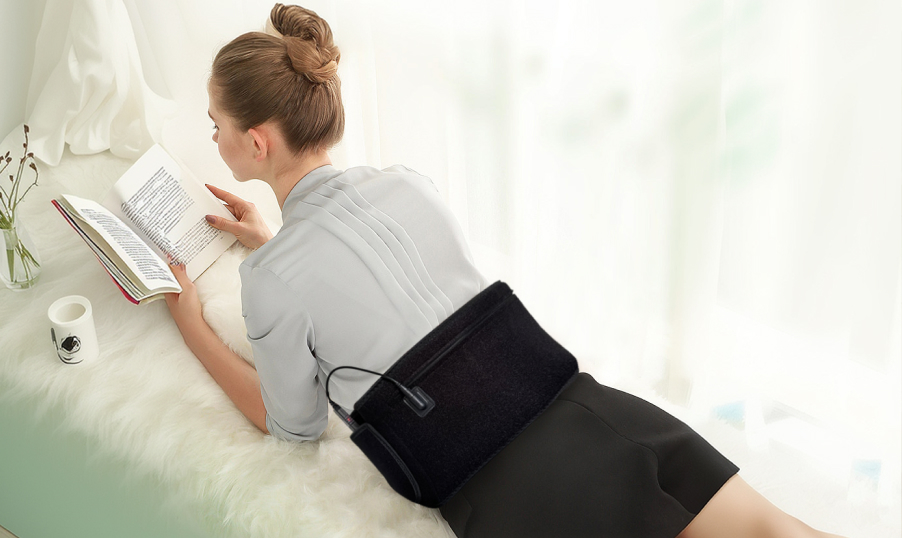
Other Wellness Products
Our additional product range includes infrared heating pads, infrared heating belts and other wellness therapy equipment that can be integrated into broader product portfolios for brands and distributors.
Why Global Brands Trust FITKANG?
Built on deep technical expertise, product quality and customer success, we help global brands develop wellness products with refined craftsmanship, consistent performance and reliable delivery.
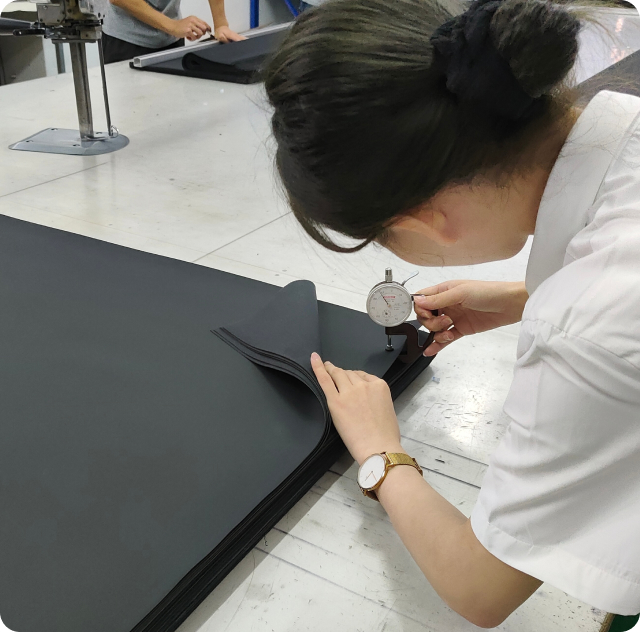
Continuous R&D and Refined Craftsmanship
FITKANG combines continuous product R&D with experienced hand assembly, refining product functions, structures and key details to support differentiated wellness products with consistent quality and a premium finish.
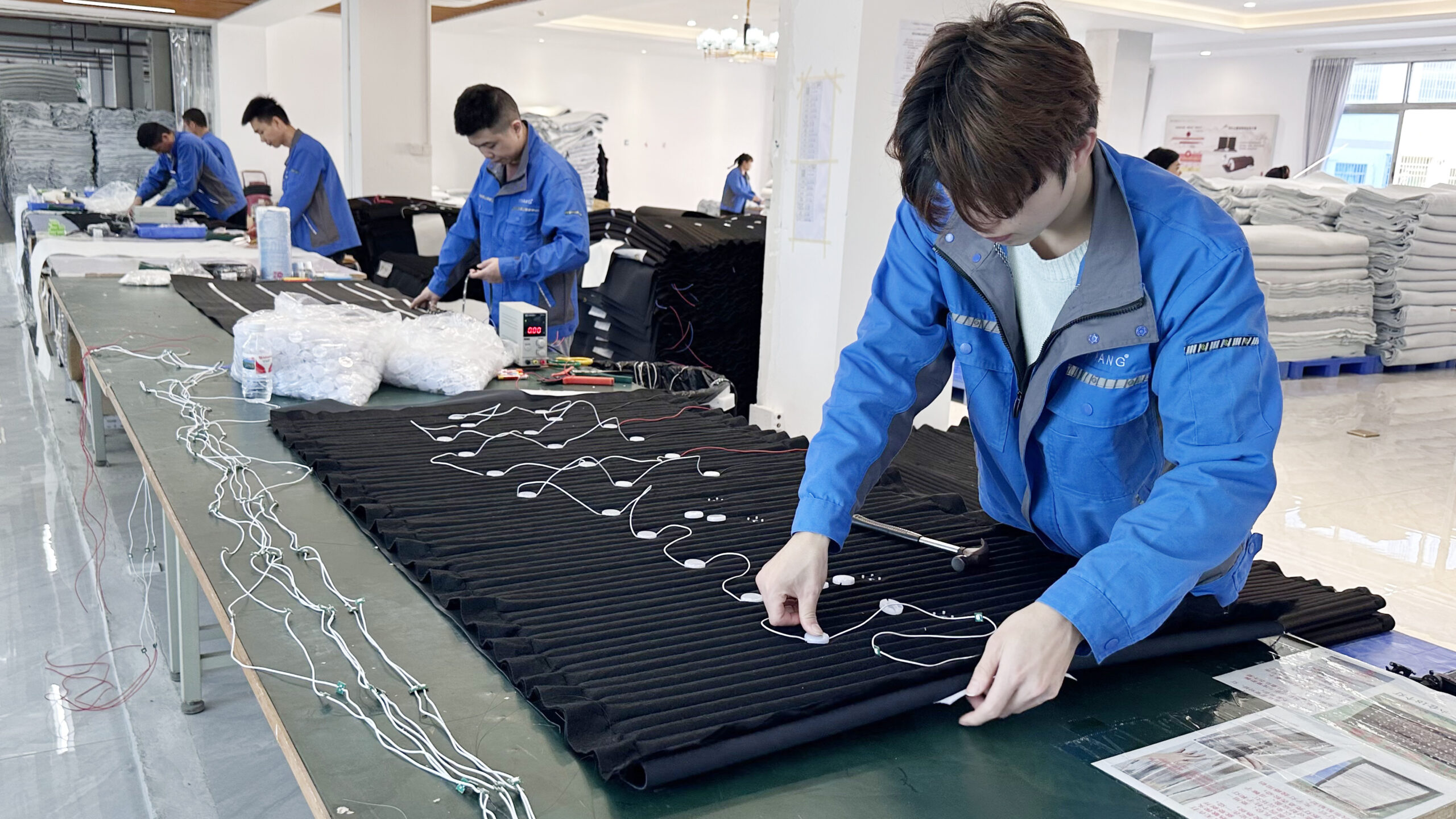
Carefully Selected Premium Materials
We carefully select fabrics, heating components, flexible circuits, controllers, natural gemstones, and other materials based on comfort, safety, and durability, creating high-end wellness products with greater value and a better user experience.
Safety Designed into Every Detail
We optimize product structures around low EMF performance, temperature monitoring, overheat protection, electrical insulation and flexible circuitry. These designs improve the long-term stability of low EMF infrared sauna blankets, red light therapy blankets and PEMF mats during repeated folding and frequent use.
Strict Quality Control and Reliable Delivery
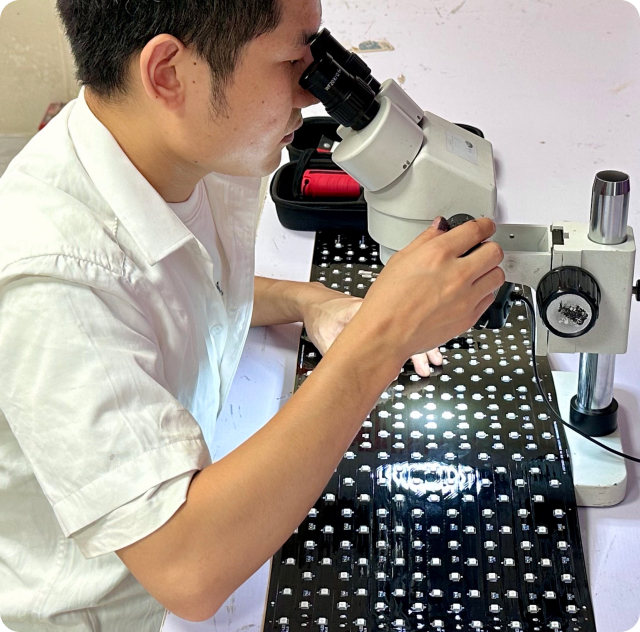
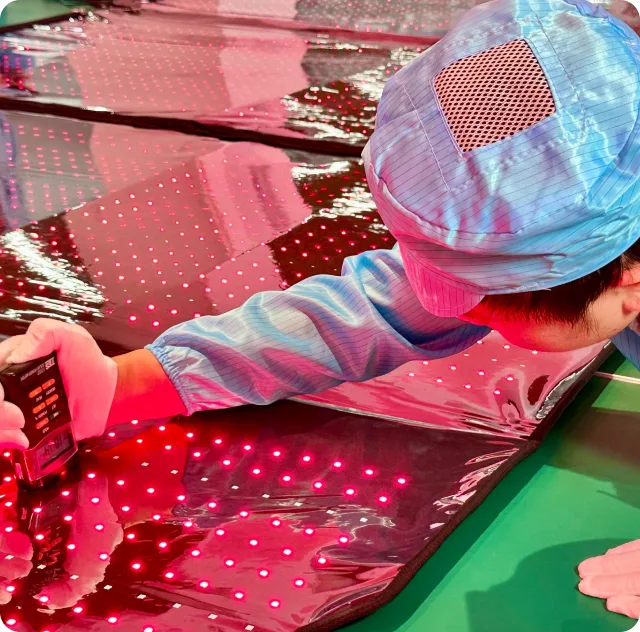
With our own wellness equipment factory, FITKANG manages raw materials, assembly, functional testing, power-on aging tests and pre-shipment inspections. This helps maintain consistency from approved samples to mass production and supports reliable, on-time delivery.
A Global R&D and Manufacturing Service Provider for Light Therapy and Thermal Wellness Equipment
From product development and structural design to OEM/ODM manufacturing and delivery, we provide one-stop support for global wellness brands.
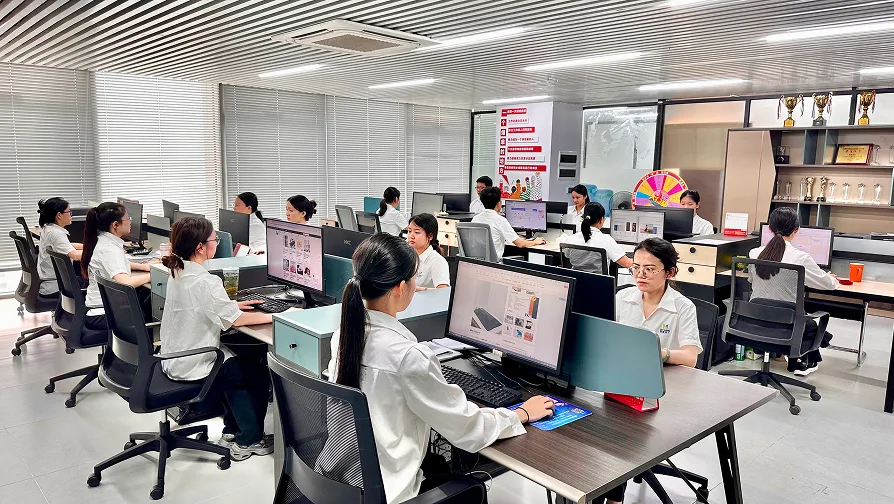
FITKANG, a brand of Guangzhou Huikang Electronic Technology Co., Ltd., specializes in the R&D and manufacturing of light therapy and thermal wellness equipment. Established in 2011 and backed by 18 years of industry experience, we provide far-infrared sauna, red light therapy and related wellness products, along with OEM/ODM support for global brands and distributors.
With a 6,000 m² manufacturing facility, more than 50 domestic and international design and technology patents, and an integrated system covering development, production, quality control and delivery, FITKANG serves customers in over 100 countries and regions. Our management systems are certified to ISO 9001 and ISO 13485, with relevant product certifications and test reports available according to the model and target market.
+Years
Fitness & Wellness Equipment Manufacturing Experience
+
Domestic and International Design and Technology Patents
m²
Modern Manufacturing Facility
+
Far-Infrared Sauna and Red Light Products Sold Annually






Have a Product Idea? Let Us Turn It into a Practical Solution
A Clear and Transparent Product Development and Delivery Process
Requirement Discussion
Solution and Quotation
Sample Development and Approval
Mass Production and Delivery
Customized Solutions for Different Commercial Wellness Scenarios
We understand the needs of different industries and provide infrared sauna, red light therapy and PEMF product solutions that are better suited to the market and easier to implement
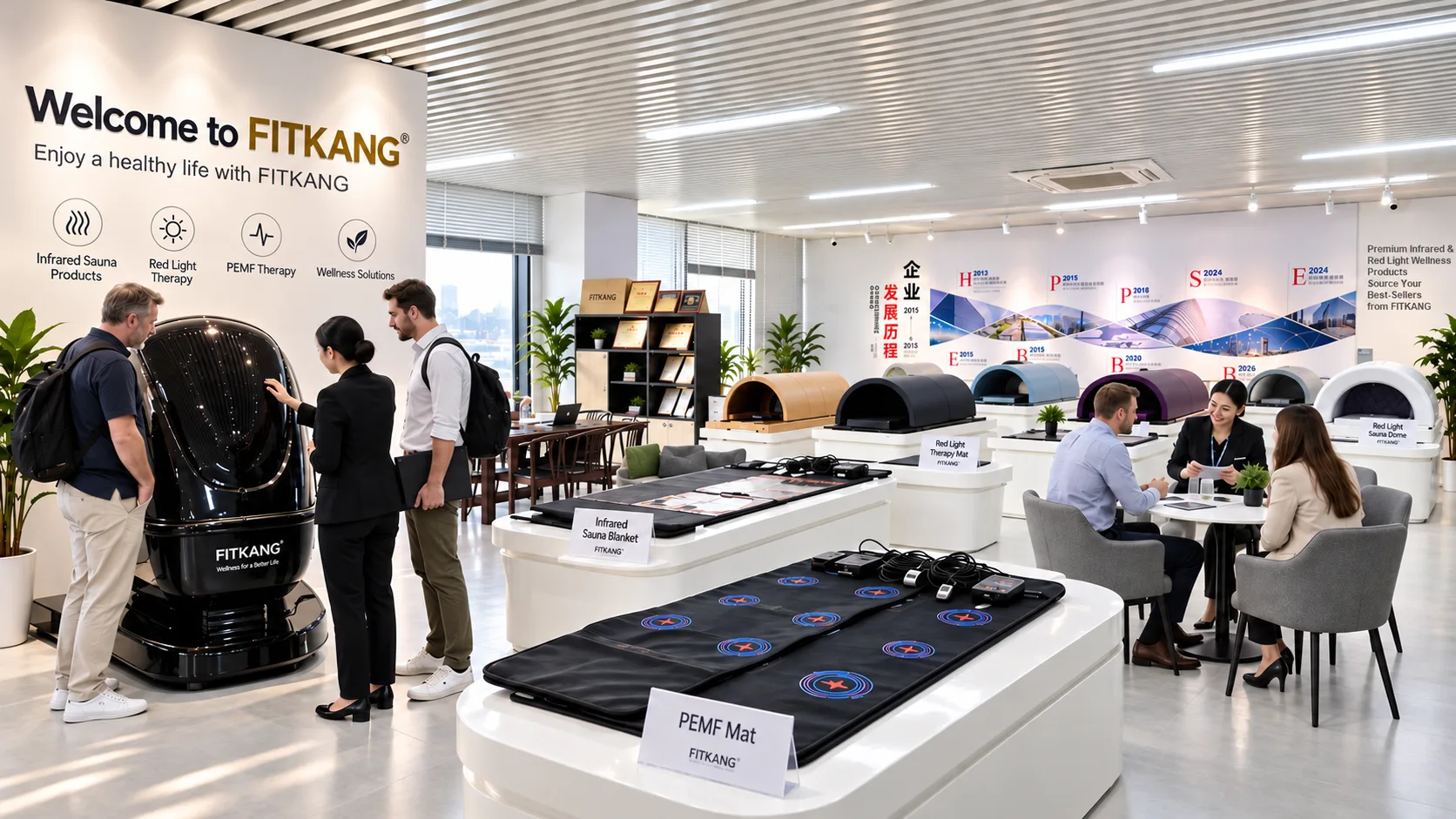
Distributors & Wholesalers
We provide distributors and wholesalers with standard product combinations, tiered configurations, branded materials and replenishment support, helping reduce multi-supplier management costs.
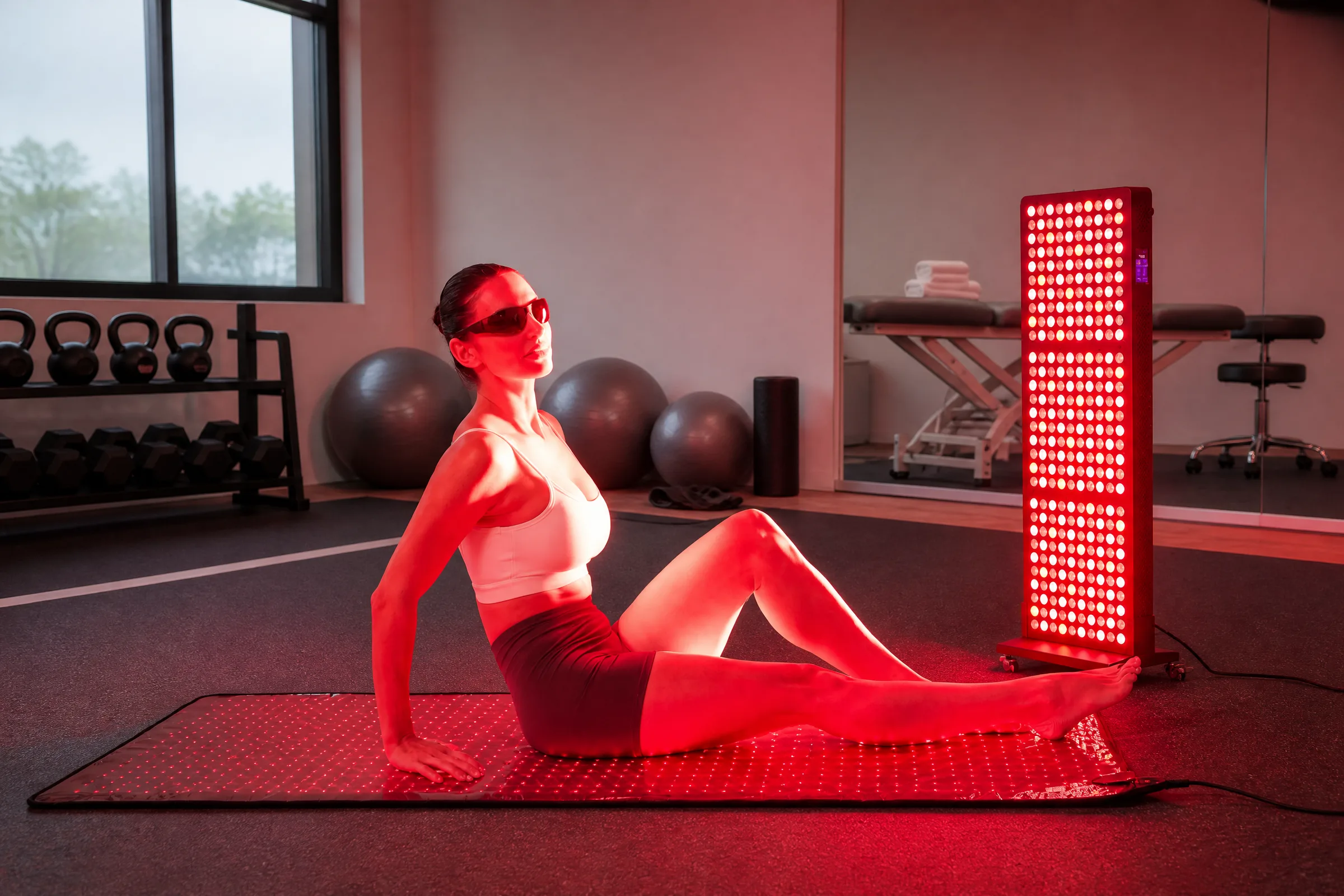
Recovery & Fitness Centers
For post-workout relaxation and daily recovery routines, we provide red light therapy, PEMF and far infrared products that are efficient to operate and easy
to clean.
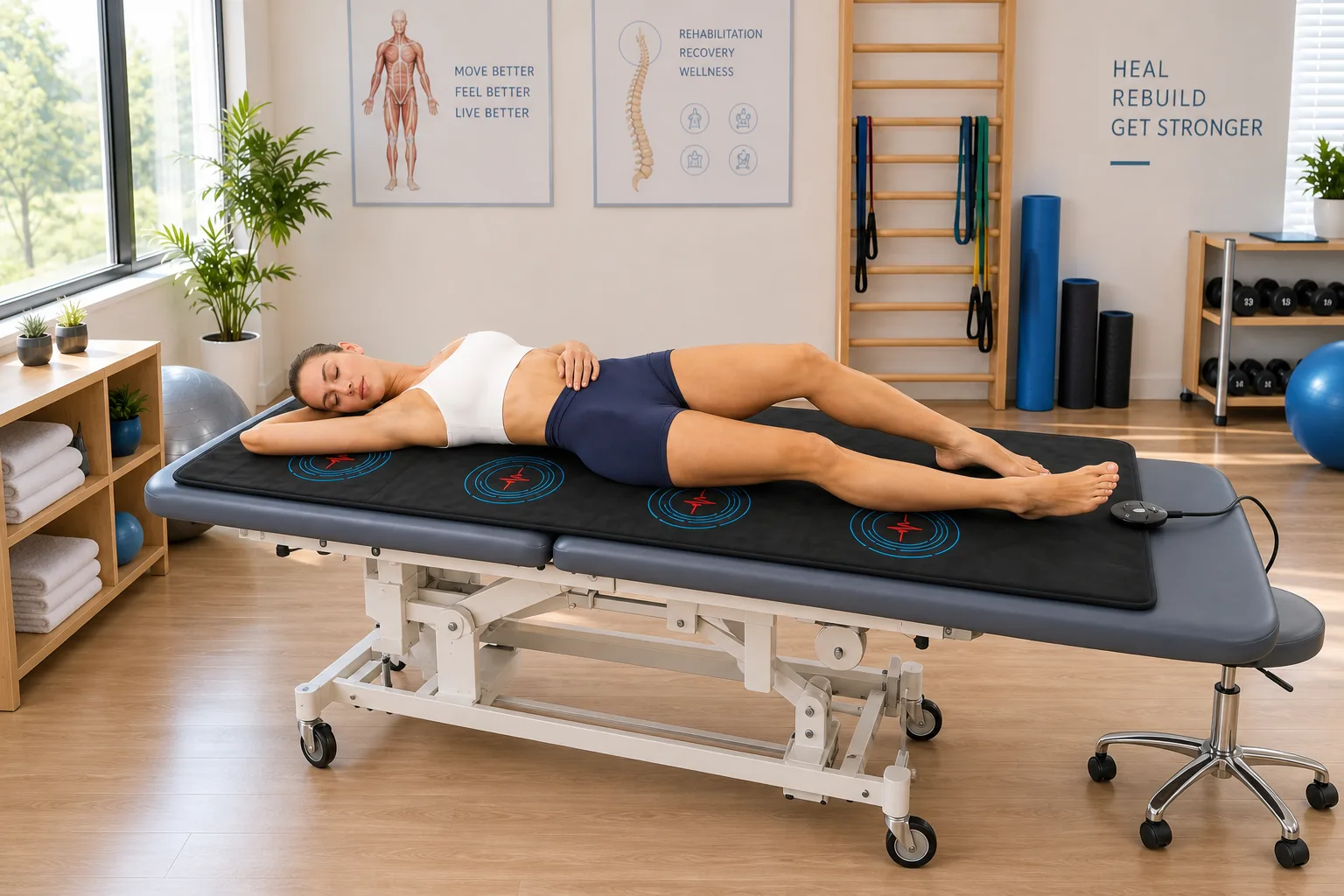
Physiotherapy & Rehabilitation
Based on usage frequency, available space and service workflows, we provide durable, manageable and easy-to-maintain product solutions for professional wellness and rehabilitation environments.
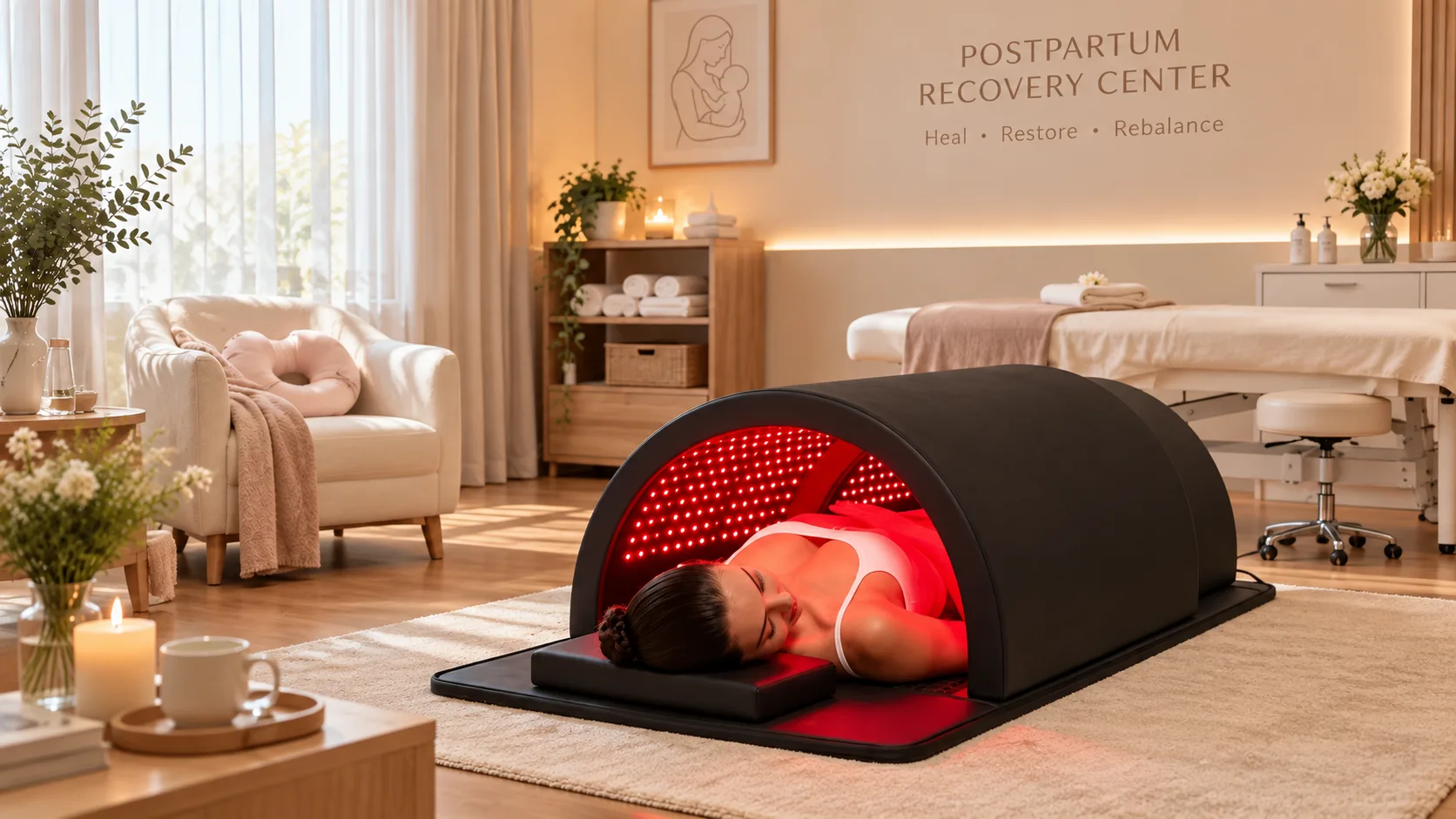
Postpartum Recovery Center
We provide comfortable infrared heating, red light and PEMF products for postpartum relaxation and wellness routines, with easy-to-clean materials
and user-friendly controls.
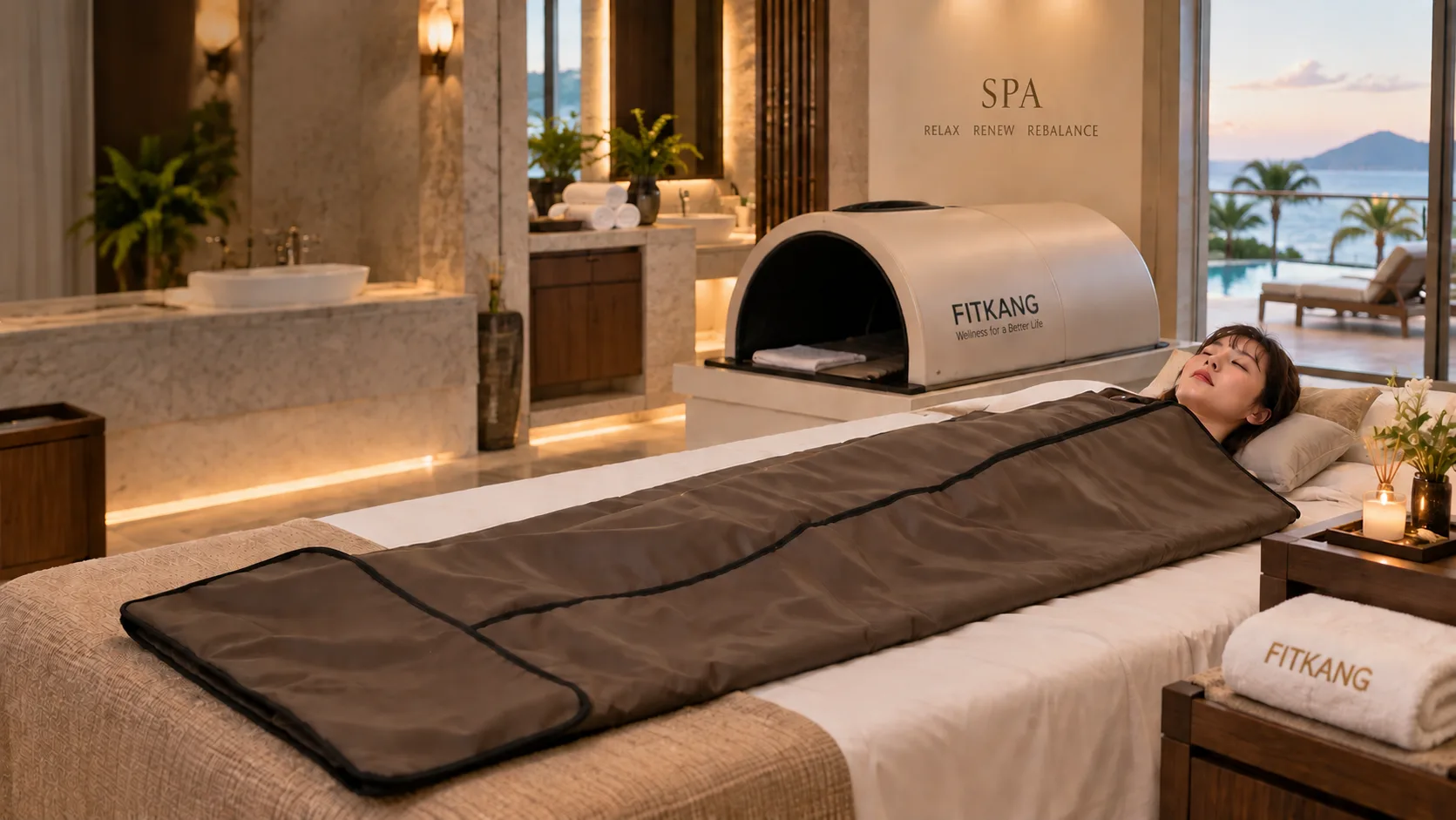
Hotels & Resorts
For hotel spas, premium guest rooms and wellness spaces, we customize sauna dome colors, dimensions, functions and accessories while considering ease of maintenance and commercial use.
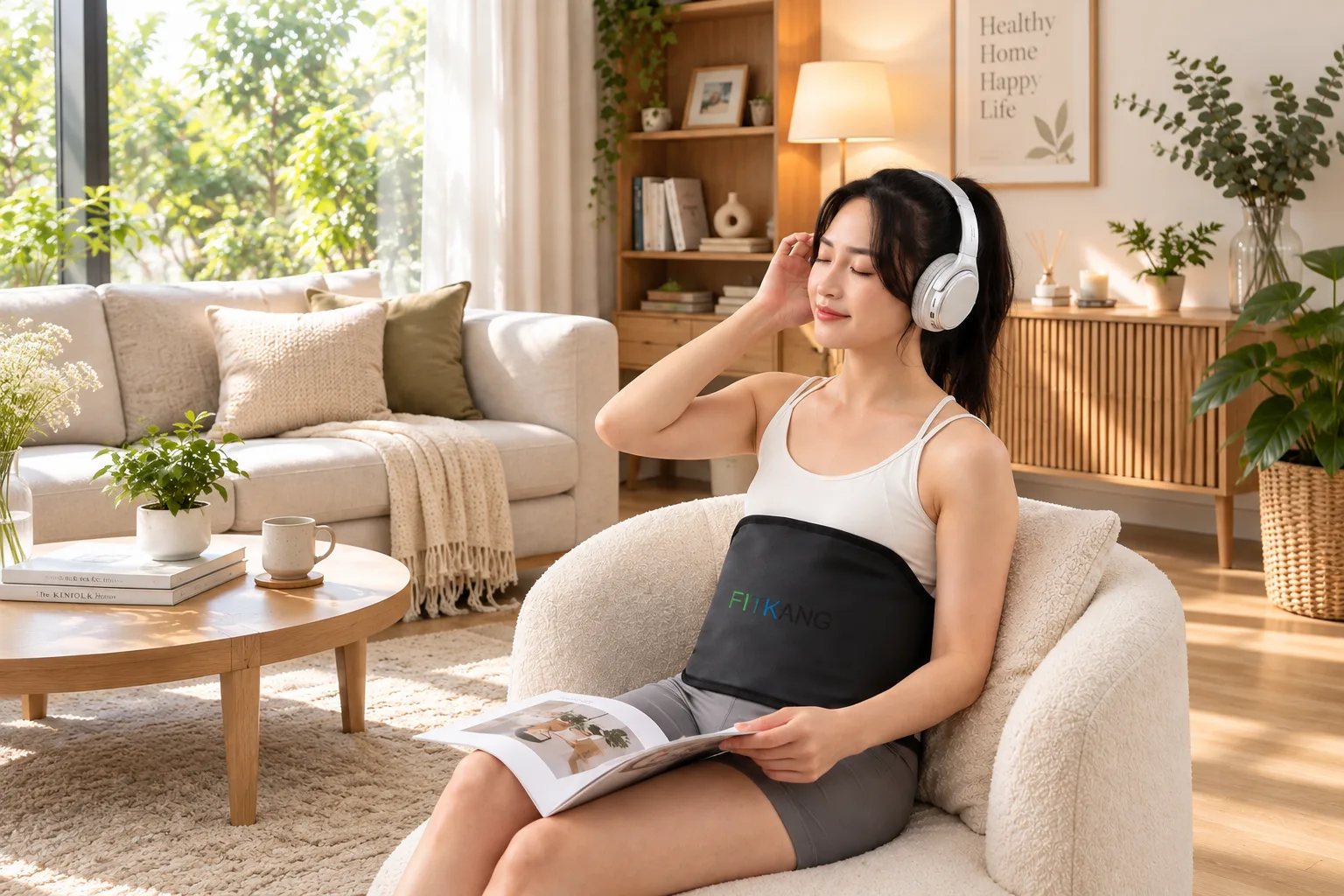
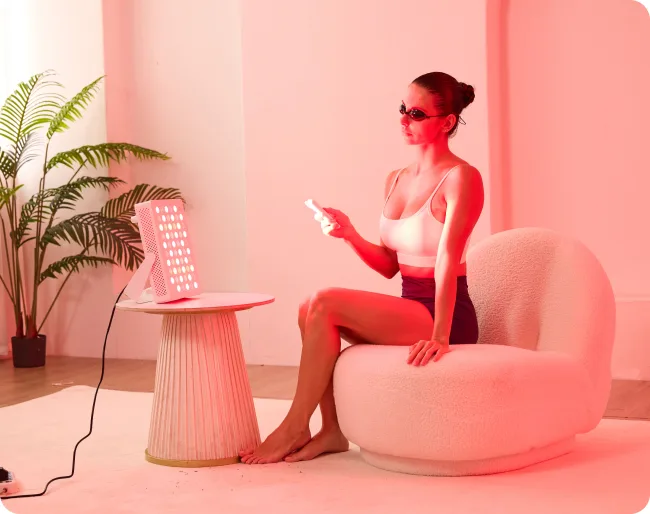
Home Wellness
We offer easy-to-use and comfortable infrared sauna blankets, red light therapy products and PEMF mats, allowing wellness experiences to fit more naturally into everyday home routines.
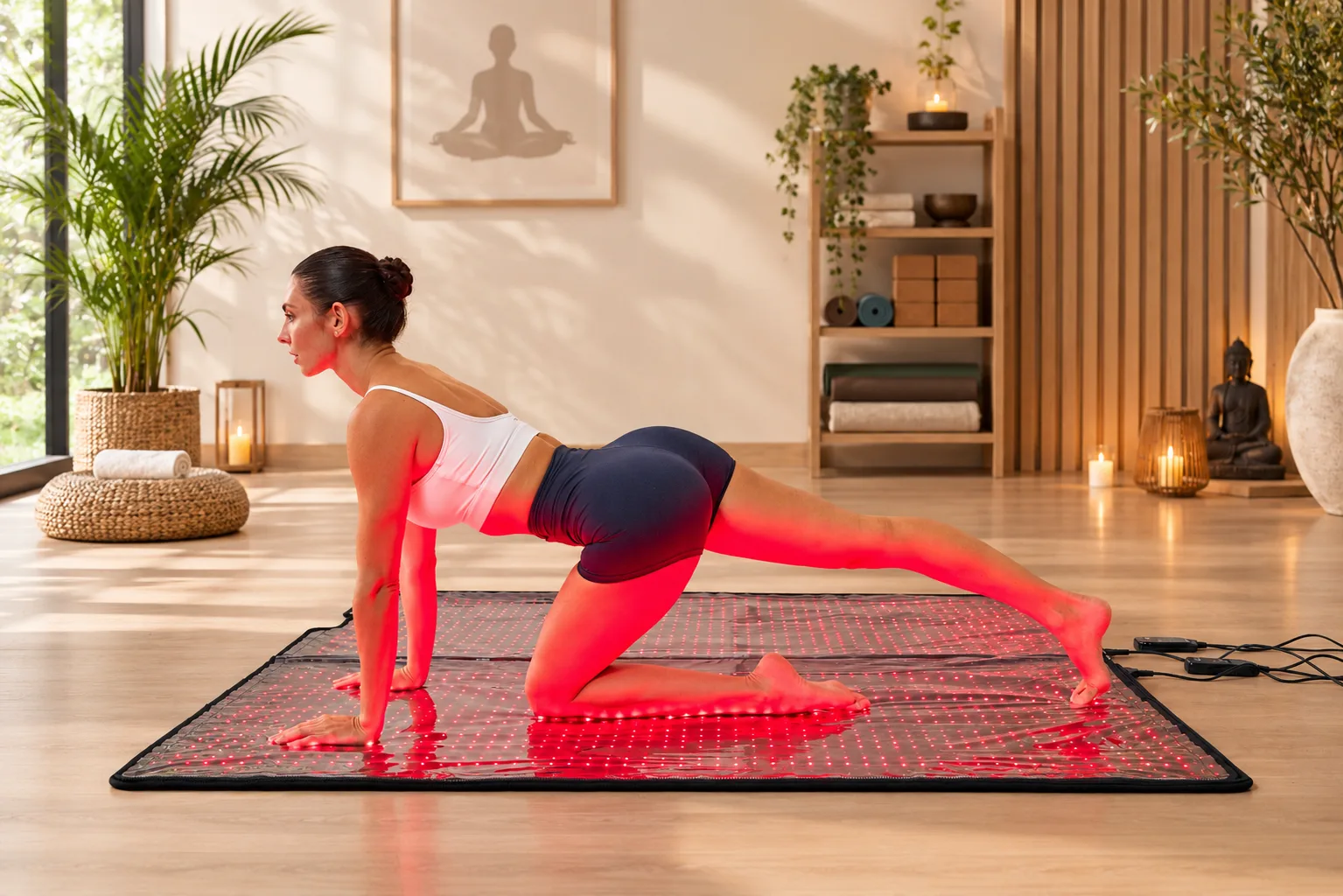
Yoga & Meditation Studios
Low-noise and easy-to-operate PEMF mats, infrared heating mats and red light therapy products can be integrated into classes, relaxation programs and value-added member services.
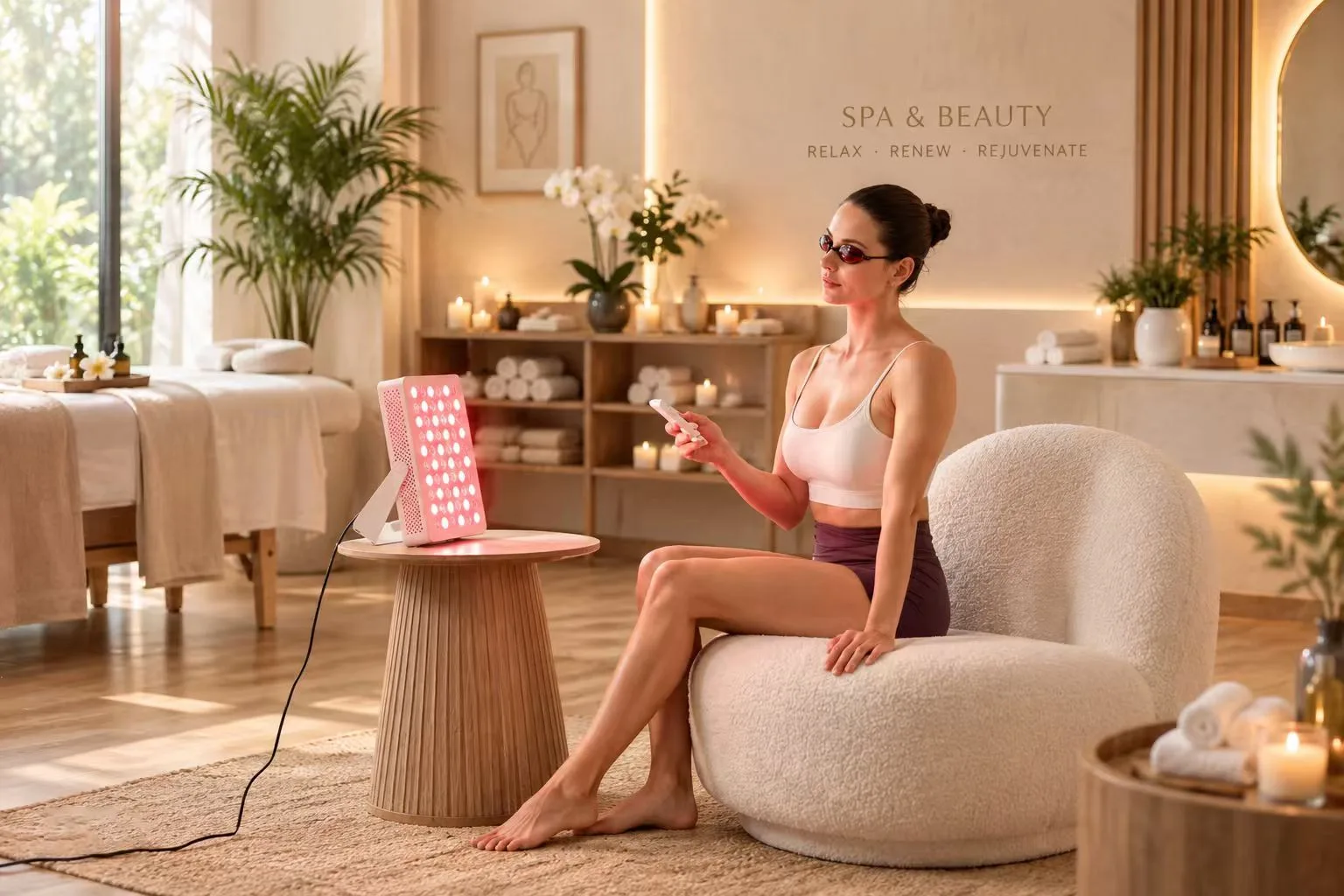
Spas & Beauty Salons
Based on facility size, service processes
and treatment duration, we provide flexible equipment and product combinations that help spas and beauty salons expand their commercial wellness services.
Hear What Our Customers Say
Their Real Feedback Speaks More Clearly Than Our Own Introduction
“I believe it is very beneficial for improving my health, with the known benefits of red light and infra red light therapy, and I am happy to use it.”

Stan Tuttle
Singapore
“what can i say its so beautiful! lied down for 15 mins and i felt so relaxed
and sleepy. Christy made sure the product arrives in perfect condition.
Even sent a video before shippingBest customer service EBest money ive ever spent. Saw this for 7x the price from a US brand. Thanks to a
libaba for the access to buy direct from manufacturers. Thank you so much im bery happy with it.”
and sleepy. Christy made sure the product arrives in perfect condition.
Even sent a video before shippingBest customer service EBest money ive ever spent. Saw this for 7x the price from a US brand. Thanks to a
libaba for the access to buy direct from manufacturers. Thank you so much im bery happy with it.”

PAULO LISBOA
Japan
“Product is of good quality, design is beautiful. The item arrived faster than estimated shipment date. Happy with my purchase. Thank you sellerfor the wonderful shopping experience and greatly appreciate your good services.”

Kathleen McClelland
United Kingdom
“Pretty good. has control of temperature and frequency. build quality seems high and materials seem durable. mat appears to heat evenly whenviewed with thermal camera. pemf causes magnet in tube to vibrate at the four locations”

Gabriel Geslin
United States
“The red light therapy mat is fantastic and offers excellent value for money. Although there was a minor issue with the shipment tracking, the manufacturer provided excellent support, communicated regularly with the freight forwarder, and kept me updated throughout the process. The package arrived safely, and both the carrying bag and the mat were in perfect condition. I am very satisfied with the product and would highly recommend this manufacturer!”

Suman Gorantla
United States
“The product arrived quickly and is a very good product!”

Dion Fleay
Australia
Explore the Latest FITKANG Resources
Professional Content to Help You Select and Develop Wellness Products More Effectively
Ready to Develop Your Next Wellness Product?
Tell us about your product direction, target market and customization requirements. The FITKANG team will recommend suitable products and provide an OEM/ODM manufacturing solution for your project.